
You Don't Have to Be in Crisis to Enrich Your Life

Finding the right drug rehab center involves more than looking for a list of the “best” facilities. Addiction treatment programs can differ considerably in their treatment philosophy, size, setting, level of privacy, therapeutic approach, and the needs they are designed to address.
This is particularly relevant when considering luxury rehab, where the term can describe much more than comfortable surroundings or high-end amenities. Depending on the program, it may refer to privacy, smaller group sizes, individualized attention, a peaceful setting, and the level of personal support available. For a closer look at how these differences can shape the treatment experience, see Luxury Rehab vs. Traditional Rehab: Which Is Right for You?.
What works well for one person may not be the right fit for another. Some people may benefit from a program with a strong trauma focus or treatment for co-occurring mental health concerns. Others may be looking for a non-12-Step approach, a traditional 12-Step program, a very small residential setting, or the privacy and separation that can come with treatment abroad.
With that in mind, this article looks at four established drug rehab centers with different approaches to treatment, including Serenity Vista in Panama. Rather than presenting them as a universal ranking, they illustrate the range of options available to people seeking private, residential, or luxury addiction treatment.
The more useful question is often not “Which rehab is the best?” but “Which treatment environment and approach are most appropriate for this person?”
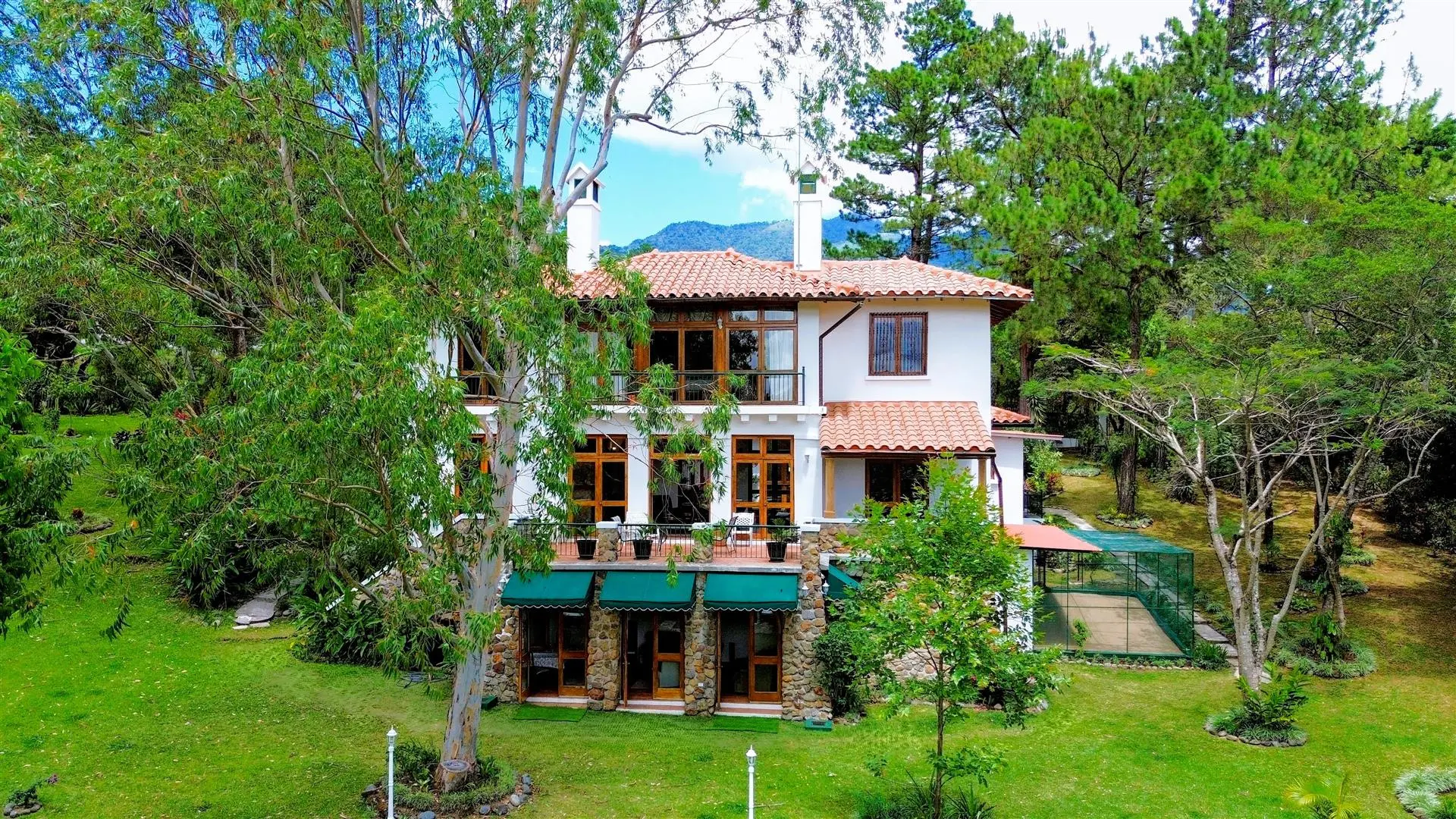
Serenity Vista is a small, private addiction treatment center in Boquete, Panama, offering a highly individualized residential approach in a peaceful mountain setting. With a deliberately limited number of guests, the program emphasizes personal attention, privacy, and the opportunity to step away from the distractions and pressures of everyday life.
Treatment is abstinence-based and informed by the 12-Step tradition, while incorporating holistic therapies, individual and group work, and activities that support physical, emotional, and spiritual wellbeing. The setting and small scale are an important part of the Serenity Vista approach, particularly for people seeking a more private and personal alternative to larger treatment facilities.
Small-Group & Private Setting – A deliberately limited number of guests allows for highly individualized attention in a private residential environment in the mountains of Boquete, Panama.
Individualized Treatment – A combination of individual and group work, with the program shaped around each guest's needs and circumstances.
Holistic Approach – Meditation, wellness activities, outdoor experiences, and other complementary therapies are incorporated alongside the core treatment program.
Learn more about Serenity Vista's mission and philosophy

The Meadows in Arizona is a residential treatment center with a strong focus on trauma, addiction, and co-occurring mental health concerns. Its approach combines evidence-based therapies with experiential and holistic modalities, making it a different treatment model from a program centered primarily on 12-Step recovery or a non-12-Step philosophy.
Trauma-Focused Treatment – Therapies such as EMDR and other approaches designed to address trauma and its relationship to addiction.
Co-Occurring Disorders – Treatment that addresses substance use alongside mental health concerns when both are present.
Experiential & Holistic Therapies – A range of complementary approaches, including equine-assisted therapy, expressive arts, yoga, and other wellness activities.
Visit The Meadows

Passages Malibu takes a different approach to addiction treatment, describing its program as non-12-Step and highly individualized. Its model emphasizes one-on-one treatment and addressing underlying factors associated with addiction rather than following a single standardized recovery pathway.
Non-12-Step Approach – A treatment philosophy that does not follow the traditional 12-Step model and instead focuses on individualized therapeutic work.
One-on-One Treatment – An emphasis on individual attention and customized treatment, with therapies selected according to the circumstances and needs of the individual.
Holistic Therapies – A range of complementary approaches, including yoga, hypnotherapy, art therapy, and other therapies incorporated alongside counseling and psychotherapy.
Visit Passages Malibu

Crossroads Centre in Antigua provides residential addiction treatment in a Caribbean setting. Its treatment philosophy is rooted in the 12-Step tradition and combines medical and therapeutic care with complementary and experiential approaches.
12-Step-Based Treatment – A recovery model rooted in the 12-Step tradition, combined with clinical and therapeutic support.
Residential International Setting – A residential treatment environment in Antigua serving guests from different countries and backgrounds.
Therapeutic & Holistic Modalities – Approaches including CBT, mindfulness, motivational interviewing, and EMDR, alongside yoga, meditation, fitness, and other complementary activities.
Visit Crossroads Centre
Once you move beyond the idea of finding a universally “best” luxury rehab, the decision becomes more practical. The right program is one whose approach, environment, level of privacy, and structure are appropriate for the person seeking treatment.
Several factors can help families and individuals evaluate whether a luxury drug rehab is a good fit. These include the treatment philosophy, size of the program, level of privacy, location, program length, and what the facility actually means by “luxury.”
There is no single treatment philosophy that is appropriate for everyone. Some programs are grounded in the 12-Step tradition, while others take a non-12-Step approach or place particular emphasis on trauma, co-occurring mental health concerns, or other aspects of addiction and recovery.
Just as important is how that philosophy is applied. A program may have a defined treatment model while still allowing the experience to be adapted to the individual. Personal history, previous treatment, circumstances, recovery goals, and the issues contributing to substance use can all influence what an appropriate treatment plan looks like. For more on this approach, see Personalized Private Addiction Rehab.
The size of a treatment program can significantly influence the character of the residential experience. Larger facilities may offer a broader range of services and a greater sense of community, while smaller programs can provide more personal interaction and a quieter, less institutional environment.
For some people, being part of a larger peer group is an important part of recovery. Others may prefer a setting where there are fewer guests, more individual attention, and greater opportunity to develop meaningful relationships with the treatment team. The important question is not simply whether a program is large or small, but whether its size supports the kind of treatment experience the individual is seeking. See The Transformative Power of Small Group Rehab: Why Size Matters for Lasting Recovery.
Privacy can mean different things in addiction treatment. It may involve private accommodation and personal space, a discreet physical setting, confidentiality, or simply having enough separation from everyday professional and social environments to concentrate on recovery.
For professionals, executives, public figures, and others with significant personal or professional responsibilities, discretion may be particularly important. Even for people without those concerns, having a private and peaceful environment can make residential treatment feel less institutional and more personal. When evaluating a program, it is worth asking not only how many guests it accommodates, but also how privacy is handled throughout the treatment experience. See Is My Privacy Safe in Drug Rehab? for a closer look.
Location is another consideration that can influence the treatment experience. Some people prefer to remain close to home and family, while others find that travelling away from familiar routines, environments, and pressures creates useful space for focusing on recovery.
Treatment abroad can offer that separation, but it also requires careful consideration of the treatment program, professional qualifications, travel arrangements, emergency resources, and plans for continuing care after returning home. For individuals considering treatment outside the United States or Canada, Seeking Rehab Outside North America explores some of the reasons people consider international treatment and the practical questions worth asking.
There is no universal treatment length that is appropriate for everyone. The right duration can depend on the person's history of substance use, previous treatment experiences, co-occurring concerns, personal circumstances, and recovery goals.
A shorter stay may be appropriate in some circumstances, while others may benefit from having more time to establish new routines, explore underlying issues, and prepare for life after residential treatment. What matters is having enough time for the treatment process to be meaningful rather than choosing a duration based solely on a standard number of days. See Is 45 Days Enough for Addiction Recovery? Here's What You Need to Know.
The word “luxury” can mean very different things from one treatment center to another. In some programs, it may primarily describe high-end accommodation, amenities, dining, or recreational facilities. In others, the emphasis may be more on privacy, small group sizes, personal attention, comfort, and a peaceful environment.
These features can be meaningful, particularly when someone is spending several weeks or months away from home. But they should not be confused with the quality or appropriateness of addiction treatment itself. A beautiful setting or comfortable accommodation does not, on its own, make a treatment program suitable for a particular individual. When evaluating a luxury rehab, it is therefore worth looking beyond the appearance of the facility and asking what the additional privacy, personal attention, comfort, and setting actually contribute to the treatment experience. See Luxury Rehab Benefits: What You Need to Know.
The four treatment centers discussed in this article illustrate why the word “best” is difficult to apply universally. Each represents a different combination of treatment philosophy, program size, setting, privacy, therapeutic approach, and residential experience. What matters is understanding those differences and considering which characteristics are most relevant to the individual seeking treatment.
For someone comparing luxury drug rehabs, the more useful question is not simply which facility is considered the “best,” but whether its approach, environment, level of personal attention, and treatment structure are appropriate for that particular person. Taking the time to understand what a program actually offers—and how those elements align with individual needs—can make the comparison much more meaningful than relying on a ranking or a label alone.
If you are looking for a private residential program with a small number of guests, individualized attention, and a peaceful setting away from the pressures of everyday life, Serenity Vista may be worth exploring. Our program in Boquete, Panama combines a structured, abstinence-based approach with holistic therapies and a highly personal treatment environment.
To learn more about our approach and what we offer, explore Serenity Vista's programs or contact us. If you are ready to provide some initial information about your situation, you can also complete our confidential admission form.
If you have questions about treatment options or would like to talk through your situation privately, you’re always welcome to reach out. We’re here to help — confidentially and without pressure.
Get our free PDF guide on moving forward into the solution.


