
Seeking Rehab Outside North America? Consider Serenity Vista in Panama
Deciding to seek treatment for alcohol or drug addiction is deeply personal. Even when someone knows they need help, they may worry about who will find out. Employers, colleagues, clients, friends, family members or others in their community may not need to know about their treatment, and concerns about privacy can become an additional barrier to asking for help.
Privacy is about more than keeping medical information confidential. It also includes having a treatment environment where you can step away from the people, routines and circumstances of everyday life and focus on recovery without unnecessary public exposure. For some people, especially those with demanding careers, professional responsibilities or a public profile, that discretion can be an important part of choosing where to receive treatment.
Privacy should therefore be considered alongside clinical quality, treatment approach and personal fit when evaluating a rehab program. A facility may describe itself as private, but it is worth understanding what that actually means in practice — how it protects guest information, how it handles photographs and testimonials, and how much separation it provides from the guest’s everyday world, physically, professionally and socially.
When considering addiction treatment, the words privacy, confidentiality and anonymity are sometimes used interchangeably, but they are not quite the same. Understanding the difference can help you ask better questions when choosing a treatment program and have a clearer idea of what you can reasonably expect.
Privacy concerns your personal space and information — including who knows that you are receiving treatment and what personal details you choose to share. Confidentiality concerns the responsibility of the treatment provider to protect the information entrusted to them and not disclose it inappropriately. Anonymity goes a step further: it means that your identity is not revealed or readily connected to your treatment.
No reputable treatment center can promise complete anonymity in every circumstance. However, a responsible program can take meaningful steps to protect your privacy and confidentiality, minimize unnecessary exposure, and respect your right to decide who should know about your treatment. Those practices are worth understanding before you choose where to go.
Some treatment centers use client photographs, before-and-after images, video testimonials or social-media posts as part of their marketing. A person may agree to participate while newly sober and feeling positive about their recovery, only to reconsider years later when that material remains publicly accessible. Once personal information or images are published online, it can be difficult or impossible to fully remove them.
Privacy can also be compromised simply by being seen. In a treatment program close to home, you may encounter colleagues, clients, acquaintances, people connected to your family, or others from your local community. For someone whose professional or personal circumstances make discretion particularly important, that possibility can add unnecessary stress to an already difficult decision.
It is also worth asking what information a treatment provider collects, who has access to it, and how it is used. A program's approach to photographs, testimonials, social media and communications can tell you a great deal about how seriously it takes guest privacy. For professionals and others with particular concerns about discretion, our guide to private rehab for professionals explores some of the factors worth considering when privacy and recovery need to work together.
Choosing an international treatment program can provide a degree of separation that may be difficult to achieve in a rehab program close to home. Being away from familiar places, professional circles and social networks can reduce the likelihood of encountering people you know and give you greater freedom to focus on treatment without the same concerns about being seen or recognized.
There can also be practical advantages to receiving private treatment outside your usual healthcare and insurance environment. Depending on the individual circumstances and how treatment is arranged, going abroad may reduce connections with local employers, insurance plans or healthcare systems that someone might prefer not to involve. The physical setting matters too: a small, private treatment environment can provide a level of discretion that is difficult to replicate in a larger facility or one located in the middle of a familiar community.
International treatment does not, however, automatically mean greater privacy. The country, facility, treatment model and its actual privacy practices all matter. Before choosing an international rehab, it is important to understand how the program protects guest information, handles publicity and provides the physical and personal separation that you are seeking. For a broader look at the practical considerations involved in choosing treatment abroad, see our guide to choosing private international rehab.
Before choosing an international treatment center, ask specific questions about how it protects the privacy of its guests. Find out whether photographs, testimonials or other identifying information are used in marketing, who has access to personal information, and how communications are handled. A clear and straightforward answer to these questions can tell you a great deal about the facility's approach to privacy.
Privacy, however, should not be considered in isolation. A treatment center also needs to meet appropriate standards for clinical quality, professional qualifications, licensing and the overall quality of care it provides. An attractive or secluded setting is not enough; you are choosing a treatment program, and the quality and suitability of that program matter.
When considering treatment abroad, it can be helpful to look beyond the facility's own claims and ask how its safety, licensing and clinical quality can be evaluated. This due-diligence checklist for rehab facilities abroad provides a useful framework for assessing an international treatment center before making a decision.
Choosing a private international rehab is ultimately about more than finding a beautiful or secluded place to stay. The quality of the treatment, the size and character of the program, the experience of the treatment team, and the degree of individual attention all matter. Serenity Vista brings these elements together in an intimate residential setting designed to give guests privacy, personal space and the opportunity to focus fully on recovery.
For someone seeking treatment away from home, Serenity Vista offers a combination that is difficult to replicate in a larger or more institutional program: a maximum of four guests at a time, a private setting in the mountains above Boquete, Panama, and highly individualized care from a multidisciplinary team. The intention is not simply to provide a comfortable place to stay, but to create the physical and personal space in which meaningful recovery can take place.
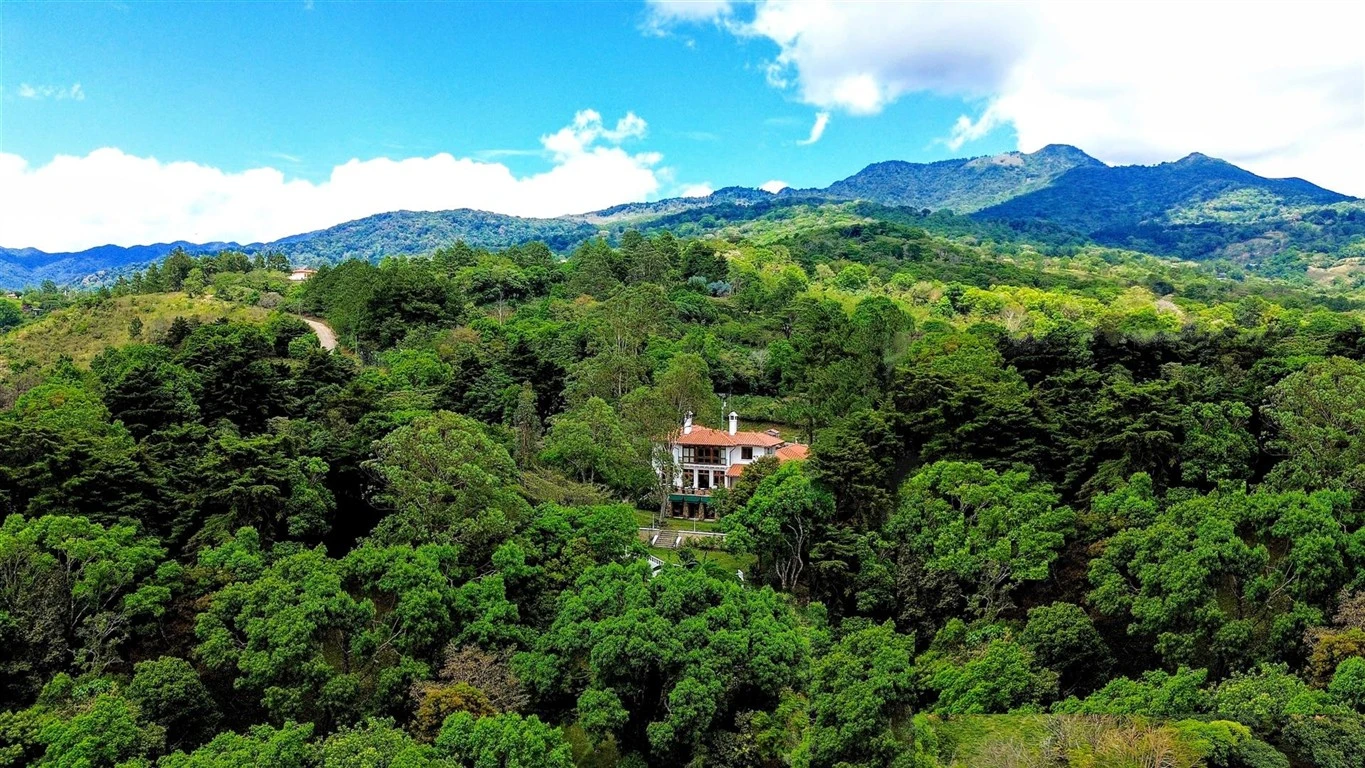
Serenity Vista is situated in the mountains above Boquete, Panama, in a peaceful natural setting that provides meaningful physical separation from the routines, people and pressures of everyday life. The property itself is expansive, allowing guests to enjoy privacy and personal space while remaining within a residential environment designed specifically for recovery. For someone traveling from another country for treatment, that combination of distance, discretion and a tranquil setting can make it easier to step away from familiar pressures and focus fully on the work of recovery.
Serenity Vista treats a maximum of four guests at any one time. That unusually small guest population means that privacy is not simply a matter of having personal space; it also changes the character of the treatment environment. Guests know who they are sharing the program with, the treatment team can get to know each person closely, and there is greater opportunity for genuinely individualized attention.
For someone seeking treatment discreetly, the distinction matters. Being one of four guests is very different from being one of dozens in a larger residential program. It creates a more personal environment in which guests can step away from the demands and visibility of their everyday lives and give their recovery the attention it deserves.
At Serenity Vista, privacy is treated as part of the overall treatment environment rather than simply as a matter of accommodation or confidentiality. Guests receive individualized care in a setting where the small size of the program allows the treatment team to know each person closely and respond to their particular circumstances. The program brings together addiction professionals, counselors, educators, holistic practitioners and support staff as a multidisciplinary team.
That individualized approach is important because privacy by itself is not enough. A private setting should also provide meaningful clinical care, an appropriate treatment philosophy and the professional expertise needed to address addiction comprehensively. The treatment environment matters too. At Serenity Vista, the combination of a private setting, a maximum of four guests and individualized attention creates a very different experience from a large, standardized treatment facility, as explored in our article on luxury rehab in Panama. Serenity Vista combines evidence-based addiction treatment with complementary therapies and healthy-lifestyle practices, while maintaining a treatment environment focused on the individual rather than a standardized experience for a large group.
The result is a combination of privacy, personal attention and clinical care that is central to the Serenity Vista approach and distinguishes Serenity Vista from larger, more institutional programs. The goal is not simply to give guests a place to step away from their everyday lives, but to use that separation to create the space and conditions needed for meaningful, lasting recovery.
You do not have to choose between effective addiction treatment and a private, discreet environment. If privacy is important to you, make it part of your decision-making from the beginning. Ask prospective treatment centers direct questions about confidentiality, photographs and testimonials, who has access to your information, the size and setting of the program, and how much separation it provides from your everyday world.
For some people, an international program can provide exactly the combination they are looking for: distance from familiar surroundings, a private setting, individualized care and the opportunity to focus on recovery away from the pressures and visibility of everyday life. Serenity Vista offers that combination in a private setting in Panama, with a maximum of four guests and a treatment approach centered on individualized care, discretion and respect for each guest.
If you would like to learn more, contact Serenity Vista for a confidential conversation about your situation and whether the program may be the right fit for you. There is no obligation to move forward.
You can contact Serenity Vista to speak with us directly and ask any questions you may have. If you are ready to explore treatment in more detail, you can also submit a confidential admission inquiry. The information you provide helps us understand your situation and needs, and determine whether Serenity Vista may be an appropriate fit for you.
If you have questions about treatment options or would like to talk through your situation privately, you’re always welcome to reach out. We’re here to help — confidentially and without pressure.
Get our free PDF guide on moving forward into the solution.


